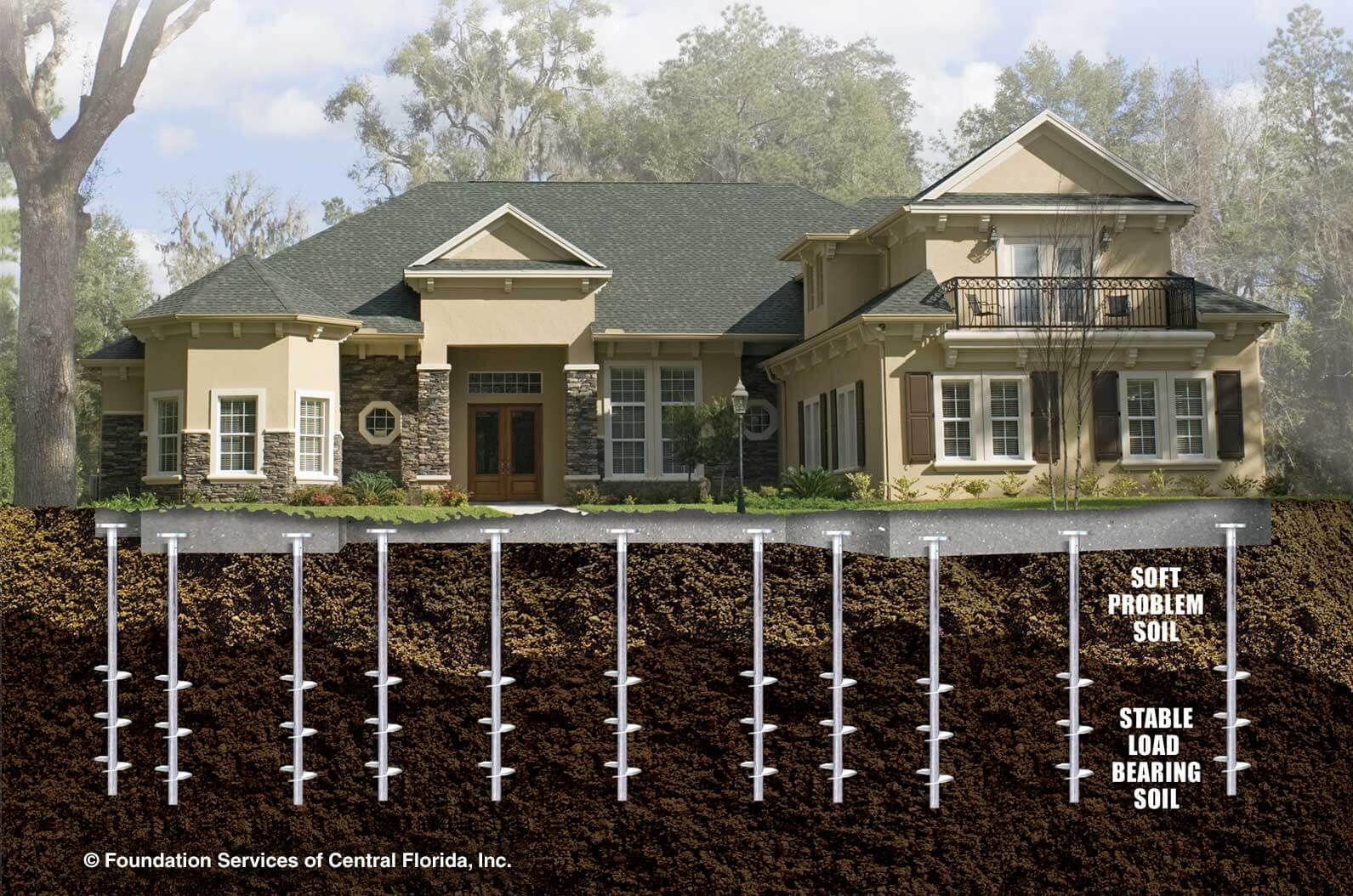
Uneven roads, crooked fences, and tilting houses – these signs often point to one of Vancouver’s peat bog areas. Many people are unaware that large parts of the city were once swampland. To make way for development, these areas were drained to appear like solid ground. However, early Vancouver settlers didn’t realize that the land beneath was still unstable. This situation can create challenges for potential homeowners, as properties in these areas might be poorly constructed on peat, or if you're building a new home, you may face extra construction hurdles.
Where Are Vancouver's Peat Bogs?
Historically, Vancouver had many rivers and streams meandering through the city. A glance at old maps shows the numerous waterways that once flowed through the Lower Mainland—believe it or not, Broadway used to have multiple streams running through it!This abundance of water contributed to the formation of extensive marshlands and swamps, giving rise to the region’s peat bogs. To make room for the city’s expansion, many of these wetlands were drained, but the peat remained underneath. The map below outlines the approximate locations of these peat bogs in Vancouver, marked in dark greenWhat Is a Peat Bog?
Peat bogs are wetlands made up of organic material that decomposes slowly over thousands of years. Many professionals compare peat to a sponge: when it dries, it contracts, and when it's saturated with water, it expands. This causes structures built on peat to shift, often resulting in uneven buildings and infrastructure.How Does Peat Affect Home Value?
Living on peat bog land typically reduces a property’s value. This is because the land is considered unstable and more difficult to build on compared to non-peat areas. Older homes, particularly those built before the 1960s, may have been constructed on unstable land, which can be problematic for homebuyers.Peat Bogs Can Be a Hidden Opportunity
Despite the challenges, some of Vancouver’s most desirable neighborhoods lie on or near peat bogs. Areas like Kerrisdale, Arbutus, Trout Lake, Mount Pleasant, and Hastings-Sunrise, which are popular with buyers, are all located on peat bogs. If you’re willing to look past the risks, buying a home in these areas might offer a unique opportunity to invest in a vibrant neighbourhood at a discount.But Keep in Mind – This Discount Can Come With Risks
Found a dream home that seems too good to be true? Check the map – it may be on one of Vancouver’s peat bogs. The reason properties on peat land are priced lower is due to the additional risk and costs associated with the land’s instability.What to Consider When Purchasing a Peat Bog Property
1. Building on Peat
Building a structurally sound home on peat is possible, but it requires special techniques. Two main methods are typically used to secure buildings on unstable land:- Digging Out the Peat: This involves removing the peat until solid soil is found beneath. However, this process can be risky, as draining water from one property could destabilize neighbouring homes, causing them to sink.
- Helical Piles: This technique involves drilling large screw-like piles into the ground until solid soil is reached. A grid of these piles supports the house’s weight, offering a safer, more stable foundation. Since this method is less disruptive to neighbouring properties, it’s considered the more reliable option.