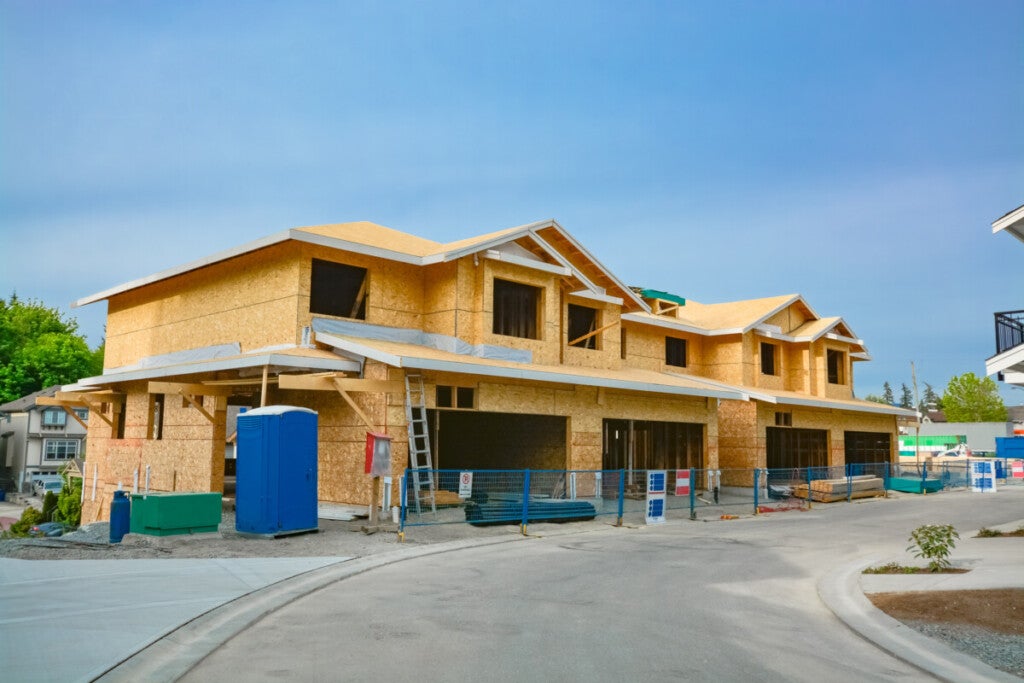
Buying a home that is only partially completed can be an appealing alternative to purchasing a finished property. In Vancouver, buyers may occasionally come across houses where construction has progressed through the foundation, framing, roofing, or exterior work, but the interior remains incomplete.For someone willing to manage a construction project, this type of property can provide an opportunity to create a home around their own preferences rather than adapting an existing finished house. There may also be potential to purchase the property for less than a comparable completed home.However, an unfinished property comes with responsibilities that go well beyond a conventional home purchase. Financing may be more complicated, permits need to be reviewed, and the remaining construction work must be assessed carefully. A property that appears inexpensive at first can become costly if significant problems are discovered after the purchase.Understanding the condition of the property, the work still required, and the total projected investment is essential before making an offer.
What Is Considered an Unfinished House?
An unfinished house is a residential property where construction began but was not brought to completion. Depending on how far the project progressed, the property could range from little more than a completed foundation to a nearly finished home requiring only interior work.You may also see these properties described as partially constructed homes, incomplete builds, or homes under construction.There are several reasons a house may remain unfinished. A builder could experience financial difficulties, a homeowner may have changed plans, or personal circumstances could prevent the owner from continuing the project. In other situations, construction may have been abandoned for an extended period.The reason the project stopped is worth investigating because it can provide important context about the property's history.
Different Stages of an Incomplete Home
Not every unfinished property presents the same opportunity. The amount of work already completed has a major effect on the cost, timeline, and complexity of the project.
Foundation Stage
A property at this point may have little more than its foundation and some structural components completed. Purchasing a home at this stage is much closer to taking over a new construction project than buying an existing residence.Before proceeding, buyers need a clear understanding of what has already been completed and whether the existing foundation and related work were properly inspected and approved.
Structural Shell
A more advanced property may already have framing, exterior walls, roofing, windows, and weather protection in place. When the building has been sufficiently enclosed to protect the interior from the elements, it may be described as being "dried in."This can give buyers a better starting point, but the condition of the existing construction still needs to be verified.
Mechanical Rough-In
Some unfinished houses have electrical, plumbing, heating, ventilation, and other mechanical systems partially installed. These systems may still require substantial work before they can be used.At this stage, buyers should determine exactly which installations have been completed and whether the work was performed according to applicable requirements.
Interior Completion
In some cases, most of the structural and mechanical work is finished and the remaining tasks are primarily inside the home.Depending on the property, outstanding work could include:
- Installing flooring
- Completing cabinetry
- Painting walls and ceilings
- Installing light fixtures
- Finishing bathrooms
- Installing appliances
- Completing trim and other interior details
Although this may sound relatively straightforward, the cost of completing dozens of smaller tasks can add up quickly.
Why Buy an Unfinished House?
Taking over an incomplete property isn't suitable for every buyer, but there are several reasons someone might deliberately choose this route.
More Freedom Over the Final Design
An unfinished home gives the buyer considerably more control over the finished product. Rather than renovating a completed property around an existing layout and finishes, the buyer may have the opportunity to choose materials, fixtures, colours, cabinetry, flooring, and other features from the beginning.For buyers who want a highly personalized home, this can be a significant advantage.
Potentially Lower Purchase Price
An incomplete property may sell for less than a comparable finished home because the buyer is assuming responsibility for the remaining construction.That does not automatically mean the property is a bargain. The purchase price needs to be evaluated alongside the expected cost of completing the house, financing expenses, professional fees, permit costs, and a reserve for unexpected problems.
Newer Components
If the construction is completed properly, buyers may end up with new plumbing, electrical systems, heating equipment, finishes, and other components throughout the property.This can provide advantages over purchasing an older home that may require immediate upgrades or replacement of aging systems.
Can an Unfinished House Be a Good Investment?
Potentially, but the numbers need to work before the purchase is made.An unfinished property may appeal to investors or experienced buyers who are comfortable managing construction. If the property can be purchased at an appropriate price and completed within a realistic budget, there may be an opportunity to create additional value.The calculation should include the entire project rather than just the purchase price.For example, buyers should consider:
- Purchase price
- Construction and labour expenses
- Materials
- Architectural or engineering services
- Permit and inspection costs
- Financing expenses
- Utility-related costs
- Insurance
- Taxes and carrying costs
- A contingency reserve
A seemingly attractive purchase can become far less appealing when all of these expenses are included.
The Main Risks of Buying an Unfinished Property
The biggest challenge is uncertainty. A completed home allows buyers to see much more of what they are purchasing. With an unfinished property, some problems may not become obvious until construction resumes.
Financing May Be More Complicated
A standard mortgage is generally intended for a completed property that can be occupied. An unfinished house may not meet the requirements of a conventional mortgage.Depending on the circumstances, buyers may need construction financing, renovation financing, or another lending arrangement designed for properties requiring substantial work.Some construction financing arrangements release money in stages as specific portions of the project are completed. Lenders may also require detailed budgets, construction plans, contractor information, appraisals, and other documentation.It is therefore wise to speak with a lender before making an offer rather than assuming financing will be available after the purchase agreement is signed.
Permits and Inspections Need Careful Review
A construction project that has been inactive for months or years can create additional questions about permits and approvals.Before buying, determine:
- Which permits were originally issued
- Whether those permits remain active
- Which inspections have already taken place
- Whether outstanding inspections remain
- Whether previously completed work complies with applicable requirements
- Whether additional approvals will be needed before construction resumes
Depending on the property's history, updated work may need to satisfy requirements that have changed since the original construction began.A local building authority and qualified professionals should be consulted rather than relying solely on information provided in the listing.
The Final Cost Can Be Difficult to Predict
One of the greatest financial risks is discovering that previous work needs to be corrected.For example, a contractor may find structural deficiencies, improperly installed systems, water damage, deteriorated materials, or work that does not satisfy current requirements.Construction prices can also change between the original start date and the time the new owner takes over the project.For that reason, buyers should avoid budgeting down to the last dollar. A contingency reserve is important for dealing with unexpected expenses.
How to Approach the Purchase
A methodical approach can significantly reduce the risks associated with buying an incomplete home.
1. Investigate Financing Before Shopping
Start by speaking with lenders who understand construction and renovation projects.Explain the property's expected condition and determine how much you could potentially borrow for both the acquisition and remaining construction.Knowing your financing limitations early can prevent you from pursuing a property that is outside your realistic budget.
2. Build the Right Professional Team
An unfinished house requires more expertise than a typical resale transaction.Depending on the project, your team may include:
- A real estate professional familiar with construction properties
- A lender experienced with construction financing
- A qualified general contractor
- A home inspector
- An architect or engineer when appropriate
- Other specialized trades or consultants
A contractor's input can be particularly valuable because they can assess the work already completed and provide an estimate for finishing the property.
3. Complete Extensive Due Diligence
Do not assume that completed construction is necessarily good construction.Have qualified professionals examine the property and review available documentation. Areas of concern may include the foundation, framing, roof, electrical system, plumbing, heating and ventilation systems, drainage, insulation, and other components.The property's permit and inspection history should also be investigated.The goal is to understand not only what remains unfinished, but whether any of the existing work needs to be repaired or replaced.
4. Create a Detailed Completion Budget
Before submitting an offer, establish a realistic estimate for completing the house.The budget should account for both obvious expenses and less visible costs, including:
- Labour
- Building materials
- Permits
- Professional services
- Equipment
- Utility connections
- Financing costs
- Taxes and carrying expenses
- Unexpected repairs
- Contingency funds
It is much safer to make a purchase decision based on a conservative estimate than an optimistic one.
5. Include Appropriate Conditions in the Offer
Depending on the circumstances, buyers may want conditions related to financing, inspections, contractor assessments, documentation, or other forms of due diligence.These provisions can provide an opportunity to investigate the property before becoming fully committed.The specific wording and suitability of any conditions should be discussed with the professionals representing you in the transaction.
Mistakes to Avoid
Taking on an unfinished house can become overwhelming when buyers underestimate the scope of the project.
Underestimating the Total Cost
The purchase price is only the beginning. Buyers should calculate the complete cost of acquiring and finishing the property.A contingency reserve can help absorb unexpected expenses that arise once construction gets underway.
Choosing a Contractor Based Only on Price
The cheapest estimate isn't necessarily the best option.Look for a contractor with relevant experience and ask for references from comparable projects. Confirm qualifications and make sure the contractor understands the existing condition of the property.A detailed estimate is also more useful than a single lump-sum figure with little explanation.
Failing to Investigate Permits
Never assume that construction can simply restart because work was previously underway.Permit status, inspections, approvals, and applicable requirements should be confirmed before proceeding.
Assuming Construction Will Finish Quickly
Even well-managed projects can experience delays. Material availability, inspections, weather, subcontractor schedules, design changes, and unexpected repairs can all affect the completion date.Buyers should have enough financial flexibility to handle a project that takes longer than originally anticipated.
Frequently Asked Questions
Is an unfinished house cheaper to buy?
It can be, but a lower purchase price does not necessarily translate into a cheaper home overall. The remaining construction, professional fees, financing, permits, and unexpected expenses all need to be included when evaluating the deal.
Can you finance an unfinished house?
Financing may be available, although a conventional mortgage may not be suitable for every incomplete property. Depending on the circumstances, buyers may need construction or renovation financing with specific requirements for budgets, inspections, down payments, and staged funding.
How can you determine what it will cost to finish?
A qualified contractor should inspect the property and prepare a detailed estimate based on the work already completed and the work still required. Professional input from an architect, engineer, or specialist may also be necessary for more complicated projects.
Are unfinished houses riskier than completed homes?
Generally, yes. Buyers have less certainty about the property's condition and may encounter construction defects, outdated work, permit issues, or unexpected repairs. Proper due diligence can help identify these risks before completing the purchase.
Should an unfinished house be inspected?
Absolutely. A thorough inspection and construction assessment can help determine the condition of existing work and identify problems that may not be visible to an untrained buyer.
Is Taking on an Unfinished House Worth It?
An incomplete home can provide an unusual opportunity for buyers who want greater control over the final design and are comfortable managing a construction project.The potential benefits, however, need to be weighed against the additional financial and logistical responsibilities. Financing, permits, inspections, construction estimates, contractor selection, and project timelines all require careful attention.The key is to evaluate the property based on the total cost and risk of completing it, rather than focusing solely on the asking price.For buyers who conduct thorough due diligence, build a realistic budget, and work with qualified professionals, an unfinished house can become a finished home tailored to their needs. For others, the uncertainty and complexity may outweigh the potential benefits.